
Serums are the current rage in Indian skin care and cosmetics industry as they are aesthetically elegant with powerful active ingredients. Personally, I prefer serum formulations for myself and my patients too, for its myriad advantages. Serums differ from traditional creams and lotions by their ability to penetrate better, being lightweight, non-occlusive and contain actve ingredients in the most effective pure forms in higher concentrations. They do not need as many stabilizing agents, emulsifiers and preservatives as creams do, but should be stored away from heat and sunlight. A tiny amount goes a long way since they are concentrated and penetrate well with light massage. Let’s discuss some effective serums for facial skin issues.
Vitamin C
This tops the list of most frequently used substance in serum form and is my personal favourite. Vitamin C is an excellent antioxidant, skin lightening agent and supports collagen formation and turnover. It can offset the damage caused by sun exposure and is an ideal option to wear under your sunscreen and moisturiser. Make sure you get pure vitamin C serum 10 to 20 % packed in amber or dark coloured glass bottles (to prevent oxidation and inactivation) from reputed companies to guarantee its action. For some, Vit C can be irritant. You can try with lower concentrations, different brand or in cream/gel form but if its still irritant go for an alternate molecule.
Hyaluronic acid
Hyaluronic acid is a natural substance present under the skin in the dermal layer which can hold 1000 times its weight in water making skin look plump and hydrated. As we age our HA supply diminishes leading to wrinkles and sallowness. Hyaluronic acid in serum form applied over skin generally does not penetrate that deep to add to the dermal pool. So, it mostly works as a moisturiser retaining water and adding hydration to superficial skin layers. Compared to other moisturisers HA is non greasy and lightweight. Night serums with HA and other anti-aging substances are a good choice to use long term to wake up with a smoother skin.
Niacinamide
A form of Vitamin B3, niacinamide acts on skin in multiple ways. It blocks melanin transfer from pigment producing cells to skin cells (especially that which occurs following inflammation like in pimples) and lighten skin tone. It is also anti-inflammatory, antioxidant and improves skin barrier function. It was traditionally available in combination with anti-acne creams and skin lightening creams in 4% generally, but is now available as serums in pure more concentrated forms (up to 10%). It can be slightly irritant in higher concentrations available in serums, so, take it slow and check suitability. Start with lower concentration or lower contact time of 1 to 2 hrs and gradually increase both. It would be especially beneficial for acne prone skin with post acne blemishes, since cream forms of skin lightening agents can sometimes be occlusive and cause breakouts.
Hydroxy acids
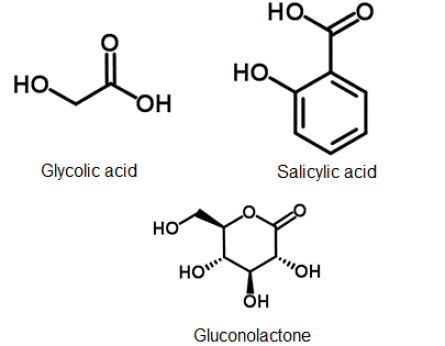
Salicylic acid
Salicylic acid is a versatile molecule with different benefits in different concentration, combinations and formulations. Facial serums are generally used for its sebum decreasing, pore shrinking, exfoliating and anti-infective benefits on oily and acne prone skin. It can also be combined with other substances to promote exfoliation and better penetration of other ingredients. Higher concentration and too frequent use and using along with other prescription treatments for acne (especially retinoids) can dry out skin. So, balance with other skin care products and medicines. You can also limit its use to oily T zone area if it’s too drying.
Glycolic acid
It is an alpha hydroxy acid which can loosen top layers of skin causing exfoliation and also decreases melanin production. It can gently fade post acne marks, blemishes, patchy pigmentation and roughness. It can also boost collagen production with regular use. But be aware about its irritant potential in higher concentrations more than 6%. If using it in concentrated serums, use once or twice a week as per skin suitability.
Lactic acid
Cleopatra bathed in milk for a reason. The lactic acid in sour milk is an exfoliant and humectant. It differs from other chemical exfoliants in that, it is a big molecule so penetrates slower and therefore less irritant and it draws water (humectant) so it hydrates along with exfoliation. Lactic acid is an ideal choice for people with sensitive skin and for regular gentle exfoliation. It is also combined with other fruit acids to decrease irritation while maintaining efficacy.
Other hydroxy acids
Mandelic acid and citric acid are also used. Polyhydroxy acids like lactobionic acid, gluconolactone are gentler than AHAs being less irritant and useful for dry and sensitive skins. They are bigger molecules and penetrate slow and work only on superficial skin layers.
Retinol
Retinoids are wonder molecules and are every dermatologist’s favourite. Because they are pharmacological grade substances which can actually make great changes in skin structure, cell turnover, pigment dispersal and collagen remodelling. It’s anti-aging benefits are proven by extensive clinical trials not just by visible improvement but also in the cellular level. The more effective retinoids like tretinoin are highly irritant and is difficult for home use without follow up with a dermatologist. Retinol, the natural form, is much less irritant and still possess some anti-aging benefits with regular use. Retinol serum in varying concentrations and various technologies like microsponge/microsphere for better penetration is available for face, neck and under eye area. It improves skin roughness, fine lines and wrinkles and improves skin texture and tone. Start with lower 0.15% and scale up 0.25%, 0.5% to maximum 1% pure retinol depending upon skin thickness, grade of ageing and tolerability. More than this will lead to excessive peeling and flaking. The 2.5% or 5% retinol serums available in market can dry out your skin too much otherwise are either false claims or they are retinyl esters (retinyl palmitate, retinyl acetate) which are less effective than pure retinol.

Peptides
Peptides are short chains of amino acids and peptides join to form proteins. But the role of peptides extends more than just building proteins, they are means of cellular communication. They regulate many skin functions and so science found a way to use it our benefit. They regulate collagen production, matrix formation, cell turnover, healing, inflammation etc. Popular peptides in face serums include pal KTTKS (Matrixyl), a combination of pal-GHK tripeptide and pal-GQPR tetrapeptide (matrixyl 3000), Cu GHK/copper tripeptide for their collagen stimulating properties and Acetyl hexapeptide 3 (Argireline) and Leuphasyl for their wrinkle relaxing properties. Along with these acetyl tetrapeptide is useful in under eye serums for its ability to decrease fluid retention and decrease baggy eyes. The tricky part with peptide serums is that due to its bigger size and charge, it should be formulated in a way to be able to penetrate skin in adequate amounts to exert its action. Go for reputed brands with proven research to ensure this.
Botanical extracts
Plant extracts are added to serums for their excellent anti-inflammatory and anti-oxidant potential. They can decrease irritation of AHAs and retinol and protect skin from free radical damage due to UV rays. Tea extracts, coffeeberry extract, soy extracts are free radical quenchers. Some have additional benefits in the form of skin lightening (Soy trypsin inhibitor, liquorice extract, curcumin), collagen production (soy extract, coffeeberry extract, pomegranate extracts), skin soothing (chamomile, aloe extracts), hydration and anti-microbial. Bakuchiol is a new entrant with retinol like action, milder but also less irritant and can be useful in people with very dry and sensitive skin who cannot tolerate retinol. But the biggest challenge is the absolute lack of standardization in botanicals and cosmeceutical industry. The ingredient list may mention the name but the actual concentration can vary from negligible amounts to concentrations enough to make a difference in real world. And there is no way to confirm the claim. So, my advice would be to choose products with botanical extracts as additive to proven ingredients and not as sole skin care molecules.
How to choose
Why do you need a serum? What are you looking for? What is your primary skin concern? What is your skin type? What is your past product use and their tolerance? Are you on any skin treatments? These questions can help you choose one for you.
For teens and early 20s with acne prone oily skin
Ingredients like salicylic acid, glycolic acid, nicotinamide, tea tree oil, chamomile extracts can help due to their pore unclogging and anti-inflammatory actions. People with very sensitive skin and seborrheic dermatitis (which is present along with acne in many people) can have product intolerances frequently. They should test in small area, or use in lesser concentration, less frequent (thrice a week), or short contact (wash after 1 to 2 hours). They can also go for gentler ingredients like lactic acid, PHAs and or combined with skin soothing ingredients like aloe, allantoin, glycerol etc. If you are on professional acne treatments which can dry out skin, better to consult your dermatologist or limit use to lactic acid or lower concentration nicotinamide.
For uneven skin tone
All AHAs, vitamin C and skin lightening extracts like arbutin, liquorice extract can work. Use a moisturiser along with serum.
For anti-aging
HA for immediate skin plumping and retinol for its long-lasting effects. Peptide serums are expensive but can help skin replenish itself in the long term. If you have the pocket, definitely go for it.
How to apply

With serums a little goes a long way. Take just few drops, typically 1 to 2 drops for each quadrant of face (forehead, left cheek, right cheek and nose/chin) and for neck and massage them in. After a minute, moisturiser can be applied to seal them in before applying other skin products or make up. Always apply serums in bare cleansed skin before any other skin product.
Fake vs original
My request to all skin care enthusiasts, consumers and patients is that, please be aware about the product you are choosing and don’t fall for marketing gimmicks. Ask yourself the 3 questions before choosing a product. Does it have a proven mechanism of action? Can it penetrate skin barrier in sufficient concentration to work? Is it supported by research and studies? Know the answer to this before investing your money and subjecting your skin to it. For example, hyaluronic acid is a natural substance under the skin which makes it look plump and youthful. Fillers injected for restoring youthfulness and face sculpting contain HA. But don’t be deluded that HA serums can be a means to introduce it, instead of injections. I still recommend HA serum and creams, but only for its skin moisturising property. Being a big molecule, it can never bypass and penetrate the skin barrier. If you are using it as a sole ingredient for anti-aging to restore HA lost, then that’s not going to happen. But retinol a molecule with deep penetration can instead stimulate skin fibroblasts to produce more HA. The market is flooded with serums with innumerable ingredients and each claim numerous unique benefits to separate their brand from the next brand. Be informed to be a step ahead of them.
Down side of serums
Irritation, dryness and redness can occur with aggressive use or inappropriate selection. Skin conditions like skin allergies, rosacea (seen as redness, rash or swelling over central cheeks and chin especially in hot conditions), dry skin, seborrheic dermatitis (uncontrolled dandruff leading to face skin rash especially around mouth and nose) can get aggravated by potent and concentrated serums. Serums are labile substances meaning they should be formulated, manufactured and stored in a specific way to act efficiently. They lose their efficacy easily with exposure to sunlight and heat. The ingredients which are combined in a serum should complement each other’s function and not negate or inactivate one another.
If you have found yourself a perfect match, then good for you and continue using it for some time for better benefits. Miracles don’t happen in a day. If in doubt always consult a dermatologist to start you on an ideal skin care routine.